
How To Download Torrents: A Step-By-Step Guide

If you’re new to BitTorrent downloads, you may be wondering how to download torrents and what exactly is a .torrent file anyway? These files are essentially metadata files that help BitTorrent users find specific content online. Using a .torrent file, you can choose the exact content that you want to download and avoid other files on the same website.
It’s probably not surprising given all the recent news about cybersecurity breaches and Internet privacy concerns, but BitTorrent downloads have grown in popularity in recent years as people become more conscious of where they leave their data when using online services like streaming and social media.

To learn about how to download torrents, keep reading!

What Is A Bittorrent?

A BitTorrent is a software tool that you can use to download torrents, such as music, videos, or ebooks. BitTorrent is not a single website but rather a protocol used by various websites and file-hosting platforms.

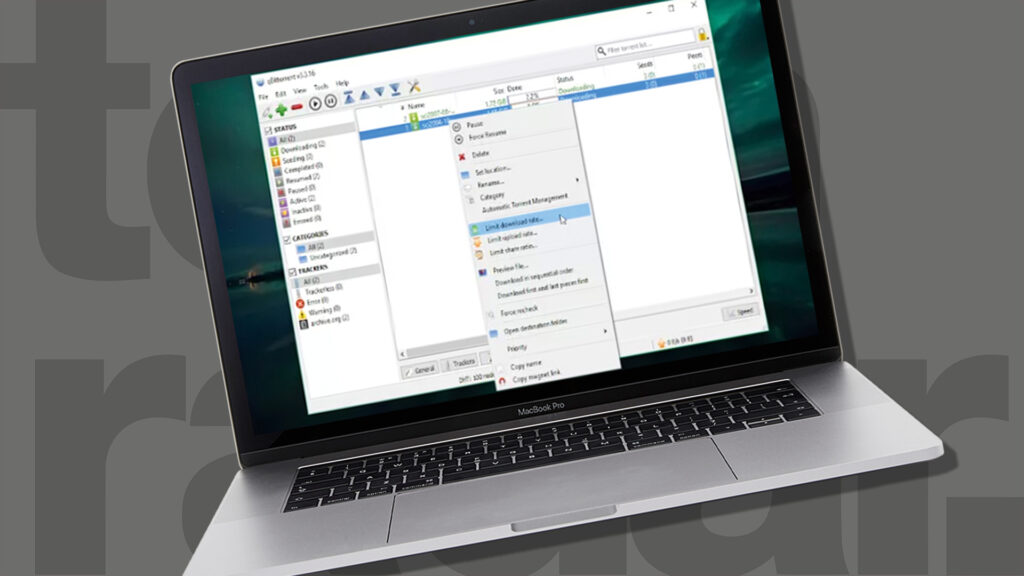
Most commonly, BitTorrent is used to share videos, music, and ebooks. A BitTorrent client, such as uTorrent, is necessary to download files using BitTorrent.

How To Download Torrents

Downloading torrents isn’t difficult, but finding the right torrenting client to suit your needs can be a bit tricky. There are a few things you should look for when downloading a torrenting client. First, it’s important to make sure that the software you’re using is up-to-date with the latest security patches and bug fixes.

Any client worth its salt will also have great customer service in case you run into any issues. Finally, make sure your torrenting client has a built-in ad/malware blocker. You don’t want to accidentally download something malicious or untrustworthy when you’re just trying to find a movie to watch!

Tips For Safe Torrenting

Now that you know how to download torrents, here are some tips for safe torrenting so you don’t get yourself into trouble!

  • Use a VPN: Using a VPN is an easy way to encrypt your traffic and hide your identity from the people running the sites you’re accessing with torrents.
  • Avoid public trackers: Public trackers are much more likely to have poor download speeds and an unsecured network, making them much riskier to use than private trackers.

Conclusion

BitTorrent is a peer-to-peer file-sharing network that allows users to download large files quickly and efficiently. The most popular use of BitTorrent is to download videos and music, but it can also be used to download books and software.

If you want to find content using BitTorrent, you’ll need to use a BitTorrent client to download the .torrent file that’s associated with the content. Once you have the .torrent file, you can use your BitTorrent client to begin downloading the content and you can choose whether or not to share the content with other users.

What Do You Do If You Want To Upload Files As Torrents?

If you want to upload files as torrents, there are a few things you need to do. You’ll need to download the BitTorrent client uTorrent and make sure it’s properly configured. Here’s how to do that:

Install The Bittorrent Client Utorrent

The first thing you’ll want to do is install the BitTorrent client uTorrent. You can download it from its official website, but feel free to use another client if that’s more your style. The installation process is quick and straightforward: just follow the prompts onscreen until everything is set up.

After that, open up your BitTorrent program and search for music files using keywords like “music,” “album,” or “artist name.” Select one of these torrents and begin downloading it by clicking on the magnet link (it looks like a little arrow).

To upload torrents to the site, start by downloading the uTorrent program. Once you’ve opened it up, click on ‘Options’ in the top right corner of your screen. In this menu, select ‘Preferences,’ then click on ‘BitTorrent.’ In this section, you can change some basic settings like where to download files from and what folder they should be saved in.

Download And Install Utorrent

Once you download the file, run it and follow the instructions to install uTorrent on your computer. It’s a straightforward process that shouldn’t take more than five minutes or so, but if you need help installing uTorrent, our guide to installing software on Windows has some great tips for getting started.

Create A Folder For Your Torrents

To create a folder for your torrents, follow these steps:

  • Name the folder. Make sure you name the folder so that it’s easy for you to find and distinguish from other folders.
  • Make sure it’s in the same directory as your BitTorrent client.
  • Make sure it’s a separate folder from downloads folder(s). If possible, keep things organized by separating out everything into different folders based on its type or purpose—this makes finding things much faster!

Conclusion

If you’re looking to upload torrents with other people, BitTorrent can be a great way to do it. But if you want to upload files as torrents, there are some steps that need to be taken first. You’ll need to download and install uTorrent, create a folder for your torrents, launch the client and open its Preferences screen. From here, go into the Downloads section and select where completed downloads should save - this will allow you start sharing files immediately!

What Is A Proxy Site?

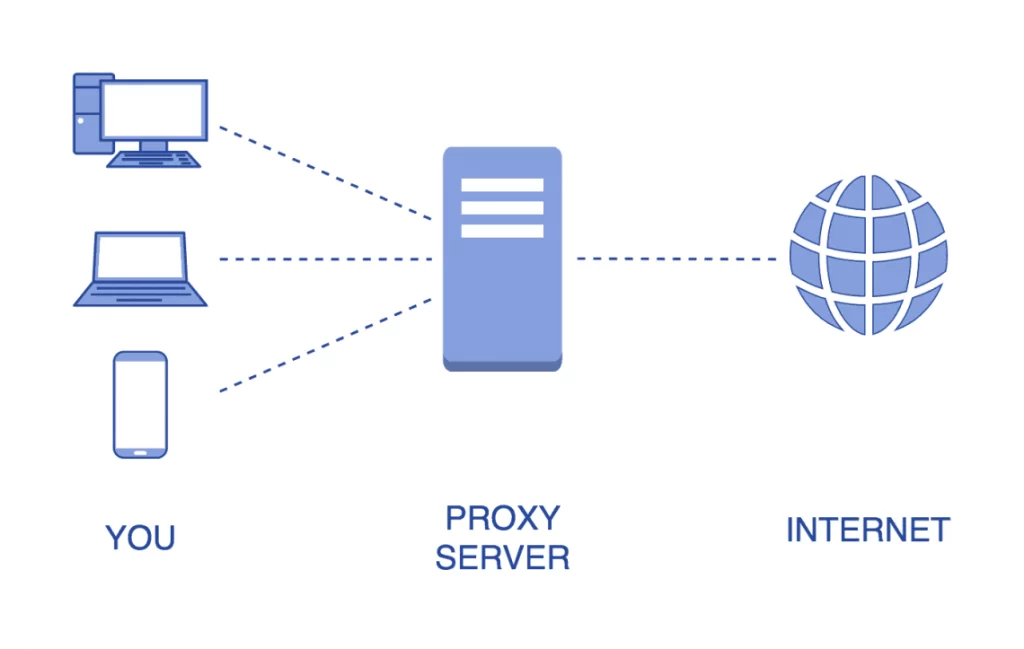
When you access the Internet, your IP address can be seen by everyone. An IP address is like a home address for your computer. If someone wants to find you again, they can see where you live now and find you again from that information. They’re not able to see your name or anything about you other than your IP address. However, this means that whenever someone wants to find you again, they need your IP address to do so. A proxy site is essentially another place to “live” on the Internet; it hides your real location and provides a false one instead. A proxy site allows users to surf the web without directly connecting to websites; instead, users connect to the proxy server instead. This way, if someone checks where they live online, they will see the proxy server and not your real location.

Understanding The Basics Of Proxy Sites

A proxy site is a website that acts as an intermediary between your computer and the Internet. When you use a proxy, you’re routing all of your Internet traffic through a proxy server, which means that the website you are visiting will think that the proxy server is your computer. There are many reasons why you might want to use a proxy. For example, if your internet service provider blocks certain websites, you can use a proxy at proxybay.github.io to bypass the blocks. Using a proxy can also help you to protect your privacy online.

Why Would You Use A Proxy?

A proxy site is essentially another place to “live” on the Internet; it hides your real location and provides a false one instead. A proxy site allows users to surf the web without directly connecting to websites; instead, users connect to the proxy server instead. This way, if someone checks where they live online, they will see the proxy server and not your real location. This is handy for many reasons. If you want to browse the web privately, a proxy can help you do so. It can also help you get around geoblocking; if you’re traveling or living abroad, you may find that certain websites are blocked. A proxy server can help you get around this by providing an IP address that shows you’re inside the country where the proxy server is located.

If you’re looking to protect your privacy online, using a proxy site like proxybay.github.io can help you do just that. They can also be used to unblock content that would otherwise be unavailable in your country. Using a proxy site is a simple and easy way to improve your privacy on the web.

Why Would An ISP Ban You From Reaching The Pirate Bay?

In most of the world, internet service providers don’t have any special privileges or powers. Sure, they can monitor your browsing history and probably track every site you visit. But in general, ISPs are just another company that provides a service to you, the user. In some places though, things can get a lot more restrictive than that. Let’s take a look at why an ISP might want to do this and what implications it has on online censorship as a whole.

Why Would ISPs Ban Sites Like TPB?

ISPs are more than just internet providers; they’re also businesses. And like most companies, they want to do whatever they can to protect their profits from being poached by their competitors.

The Pirate Bay has been a major source of controversy since the site was founded in 2003. Major recording companies claim the site to be culpable for the loss of millions of dollars in revenue each year, due to its users’ habit of downloading copyrighted content. ISPs have been at the receiving end of these complaints for a long time.

Still, though, it probably hasn’t been a huge priority for most ISPs. After all, a ban on TPB would affect a significant portion of their customer base, since Swedish internet users are notorious for their high rate of piracy. This could cost ISPs a lot of money, both in lost customers and the costs of implementing a ban.

Most of the time, ISPs take a hands-off approach to piracy. After all, there’s nothing they can do to stop it, so why bother? A ban on TPB, however, is different. It’s something an ISP could do to show its support for the new legislation. And it wouldn’t cost them anything, since they can just redirect the traffic to a message that explains their position.

What’s At Stake For Consumers?

It’s important to note that such a ban on TPB won’t affect every internet user in Sweden. In fact, it’s only a select few ISPs have chosen to implement this ban. Still, though, the precedent it sets is troubling. In most places, ISPs are expected to remain hands-off when it comes to content. They are, after all, utilities.

They’re not supposed to care what you’re browsing or downloading. But the precedent set in Sweden —that ISPs can be forced to block their users from accessing certain websites —could spread to other countries. After all, if these bans are successful in Sweden, there’s no reason why other countries wouldn’t want to implement their own.

The Reason Torrent Sites Work: P2P Protocol

Introduction

Torrenting is one of the biggest issues facing the internet today. It’s stealing content, and it’s causing a lot of pain to creators. But there are ways to fix this, and we’re going to show you how. torrenting can be fixed with a bit of creativity, dedication, and hard work—and we’ll show you how using P2P technology can help your business grow.

Torrenting Is The Reason P2P Works

P2P protocol is the process of sharing large files over the internet. It works by using a computer program to convert downloaded files into smaller, more manageable files. This allows users to download and share large files much faster than if they had to wait for the entire file to be downloaded and converted.

How P2P Can Help You Save Time And Money

One of the biggest the benefits of P2P protocol is that it can help you save time. When your torrent a file, instead of having to wait for the entire file to be downloaded and converted, you can start downloading the file as soon as it’s available online- usually within minutes in some cases! This saves both time and energy- two important factors when traveling!

How Torrenting Can Help You Keep Your Information Safe

When it comes to protecting your information while traveling, Torrenting is an invaluable tool! By using Torrenting software, you can easily store all of your downloads in one place so that no one else has access to them without your permission or knowledge! This helps protect against Intellectual Property Theft (IPT), which is when someone uses copyrighted material without the owner’s permission).

The Benefits Of Torrenting

Torrenting can help you save time by helping you download and store large files quickly and easily. For example, if you want to watch a movie but don’t have any space on your hard drive, torrenting the movie can help you store it on your computer so that you can watch it later.

How Torrenting Can Help You Save Money

Torrenting can also help you save money by reducing the number of downloads required to make a file available for download. For example, if someone has downloaded a file from the internet and wants to view it, they will need to first download and unzip the file before they can access it. Torrenting the file so that it is automatically downloaded when someone tries to access it will then save them time as well as energy in terms of downloading the file multiple times. You can visit https://proxybay.github.io for more information.

Conclusion

By using torrenting, you can minimize your efforts and save time and energy. Additionally, torrenting can help you keep your information safe by reducing the risk of data breaches. If you’re looking for an efficient and safe way to store and share information, torrenting is an option you should consider.

When Choosing A Torrent Client, Beware Of Adware

We all love to download our favorite movies, TV shows, and music videos on demand. But the convenience of torrenting comes with a catch: most torrenting sites come pre-installed with adware. This means you might end up installing malicious third-party software without knowing it. It’s even worse if you don’t take precautions before downloading a torrent file.

What Is Adware?

Adware is computer software that displays advertisements on your screen. These are usually pop-up banners and links that lead to third-party sites. This is an easy way for app developers to make money from freeware.

Adware is not malicious by itself. It’s the way it’s installed that makes it a problem. Adware is often bundled with other software that is completely unrelated to the adware itself. It’s just a way to make more money for the developers.

You can avoid adware by not installing software that you don’t need. Adware can also capture your browsing history. It records what websites you visit, searches you make, and any passwords or login information you enter while browsing the internet. This shared data can be sold to third-party companies.

How Does Adware Get On Your Computer?

The simplest way to get adware on your computer is to download a torrent from an untrusted source. Most torrenting sites come packed with adware and other malicious software. You don’t have to install it on your computer for it to be harmful.

The mere act of downloading torrents with these sites can compromise your system. Some torrent sites come with built-in adware. You may not even notice it because it doesn’t show any pop-ups or banners. The software runs in the background and quietly gathers your information.

You may notice a sudden drop in your internet speed and a spike in data usage. This is usually the result of downloading and storing an excessive amount of data without your consent.

Tips To Avoid Adware When Using Torrents

If you are serious about online security, you need to take some precautions before downloading torrents. First and foremost, avoid downloading from sites that are known for infecting computers with malicious software.

Remember that most torrenting sites are completely free and don’t require you to pay for premium memberships. It’s important to pay attention to download speeds, though. Faster speeds usually indicate that your computer is downloading other users’ data at the same time.

How Can Torrent Sites Link To Copyrighted Material?

Torrent sites can easily link to copyrighted material if they attempt to be as popular as other torrent sites. However, there are some steps that can be taken to avoid penalties and keep their services legal.

Torrent sites link to copyrighted material by either hosting the file themselves or linking to it. The most common way they do that is by uploading a copy of the file and providing others with access to download it.

Linking Sites to Copyrighted Materials

Torrent sites are one of the most popular sources for downloading digital content. Most people don’t realize that torrent users post links to copyrighted content, which means that they’re breaking the law.

The nature of torrent sites makes it possible to share copyrighted materials because the user does not need any login credentials (like an email) by which the site divides its users into two categories - uploaders and downloaders. In order to be able to access the content being uploaded by users, you have to download it first through its peer-to-peer network which means you become part of its network and help others get access to that same content too.

Torrent sites are legal but, some torrents on these sites can be illegal. This can happen when people post links to copyrighted materials such as music, TV shows, movies and software. People who want to download these copyrighted files should always find a torrent that is hosted on an official website.

Torrent sites often get a bad reputation because they allow you to download copyrighted content. They collect the files of other people’s uploads, host them and make them easily accessible. To do this safely, most torrent sites use forms of encryption like https or encryption that protect the content and make it harder for copyright holders or their lawyers to track down the original uploaders.

Torrent sites let users download popular music and movies, but how can they do that without infringing on copyright?

Torrents are simply files that contain information about the contents of a digital object, and how to download it. Sites like The Pirate Bay or KickAss Torrents can only link to other sites, not to copyrighted material themselves.

Torrent sites are open to the world and it is not difficult to find copyrighted material on these sites. While the owners of torrent sites claim you may use their website only if you own the content, the fact is that there’s no foolproof way to verify who owns what.

Although many Torrent sites do not host the copyrighted material themselves, they do provide a way for users to access that content. Many torrenting sites allow users to upload and download content from other uploaders by sharing file data across two or more peers on a peer-to-peer network. This means that you can use your computer to collect data from others and send it back to them in exchange for files that you want.